


Quick Summary
- Exams, cleanings, and X-rays make up the bulk of general dentistry, and they’re the visits that catch problems while they’re small.
- Fillings repair cavities; crowns step in when a tooth needs more coverage.
- Root canals treat infection inside a tooth and can often save it from extraction.
- Extractions still happen, usually when a tooth can’t be saved or wisdom teeth cause trouble.
- Cosmetic treatments like whitening, veneers, and Invisalign are part of many general practices, including Smyle Dental in Newhall.
Most people can name maybe three things that happen at a dental office: cleanings, fillings, and the occasional lecture about flossing. The full picture is wider than that. A general dentist handles everything from routine checkups to infected teeth and cosmetic upgrades, which is exactly the range you want in one place.
If you’ve been searching for a general dentist in Santa Clarita, this guide breaks down the procedures that fill a typical week at a dental practice, including our own. Smyle Dental cares for Santa Clarita families from our office on Newhall Avenue, so you’ll also see notes on how these services work here.
Exams, Cleanings, and X-Rays Come First
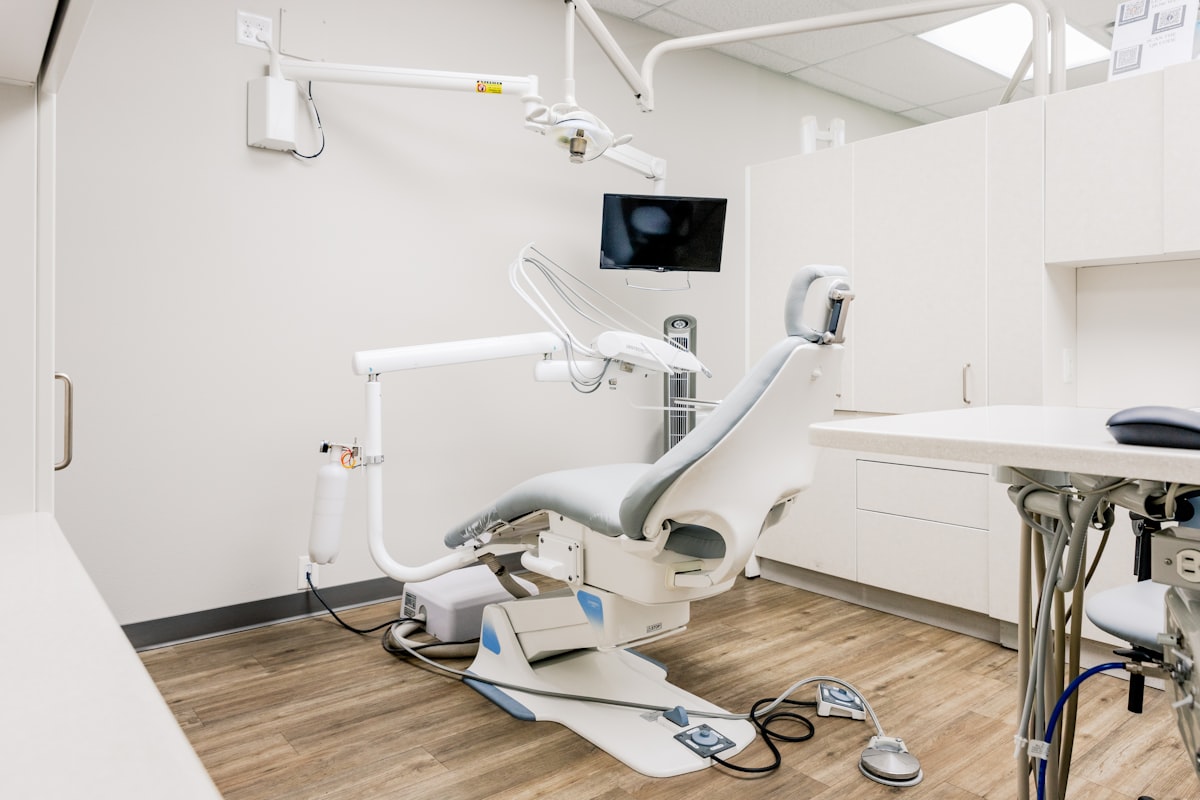
The most common procedure in any general practice is also the least dramatic: the checkup. A typical visit pairs a professional cleaning with an exam and, when needed, X-rays. The hygienist clears away plaque and tartar that brushing can’t reach, and the dentist checks for decay, gum trouble, and anything unusual on the tongue, cheeks, and gums.
None of it feels like a big event, and that’s the point. Small cavities found at a checkup get small fixes. The ones found a year later usually need more.
Fillings and Crowns Handle the Repairs
Cavities remain the most common reason for dental treatment. A filling removes the decayed portion of the tooth and rebuilds it, often with a tooth-colored material that blends in. When decay or a crack takes out too much structure for a filling to hold, a crown covers the whole tooth like a cap and lets you chew normally again.
Between those two sit inlays, onlays, and bridges, which general dentists also place. The right choice depends on how much healthy tooth remains, which is one more argument for catching problems early.
Root Canals Save Teeth That Feel Beyond Saving
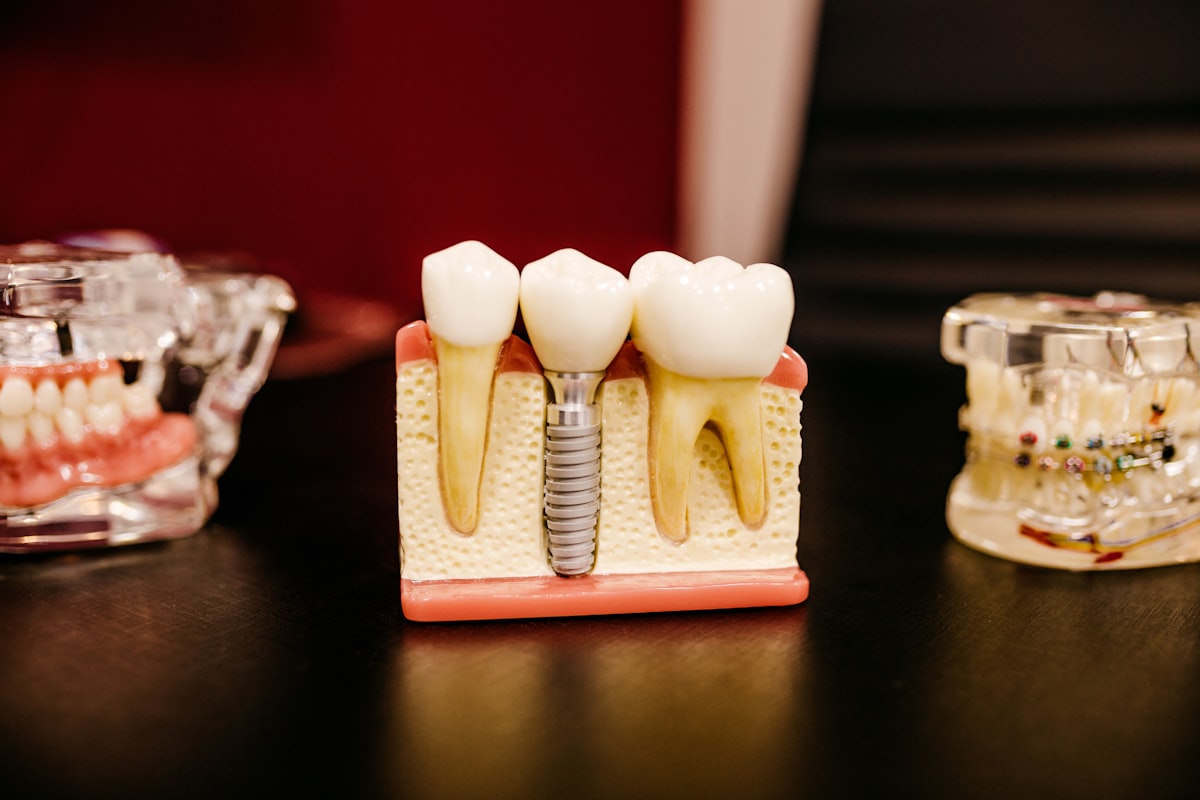
A deep cavity or crack can let bacteria reach the pulp inside a tooth, and that’s when serious pain tends to start. A root canal cleans out the infected tissue, seals the space, and usually finishes with a crown. The tooth stays in your mouth and keeps working.
Root canals carry an outdated reputation. With modern anesthetic techniques, many patients say the procedure felt similar to getting a filling, though experiences vary from person to person. What a root canal mainly asks of you is time in the chair. What it gives back is a tooth you keep.
How Often Do These Procedures Actually Come Up?
For most patients, the honest answer is: rarely, if the checkups stay consistent. Twice-a-year visits are the common rhythm, though your dentist may suggest a different schedule based on your gum health and history. We wrote a full guide on how often you should go to the dentist if you want the longer answer.
Skip a few years, and the odds shift. Decay and gum disease build quietly, which is why a long gap between visits so often ends with a filling or a deep cleaning instead of a routine one. Scaling and root planing, the deep cleaning that treats early gum disease, is another procedure general dentists perform week in, week out.
Extractions and Wisdom Teeth
Dentists work hard to save teeth, and sometimes removal is still the healthier call. Severe decay, advanced gum disease, a split tooth, or wisdom teeth without room to come in cleanly are the usual reasons. Many extractions are quick, and your dentist will walk through aftercare and replacement choices, from bridges to dental implants, before anything happens. Complex cases may get referred to an oral surgeon, which is normal.
Cosmetic and Smile Treatments Round Things Out
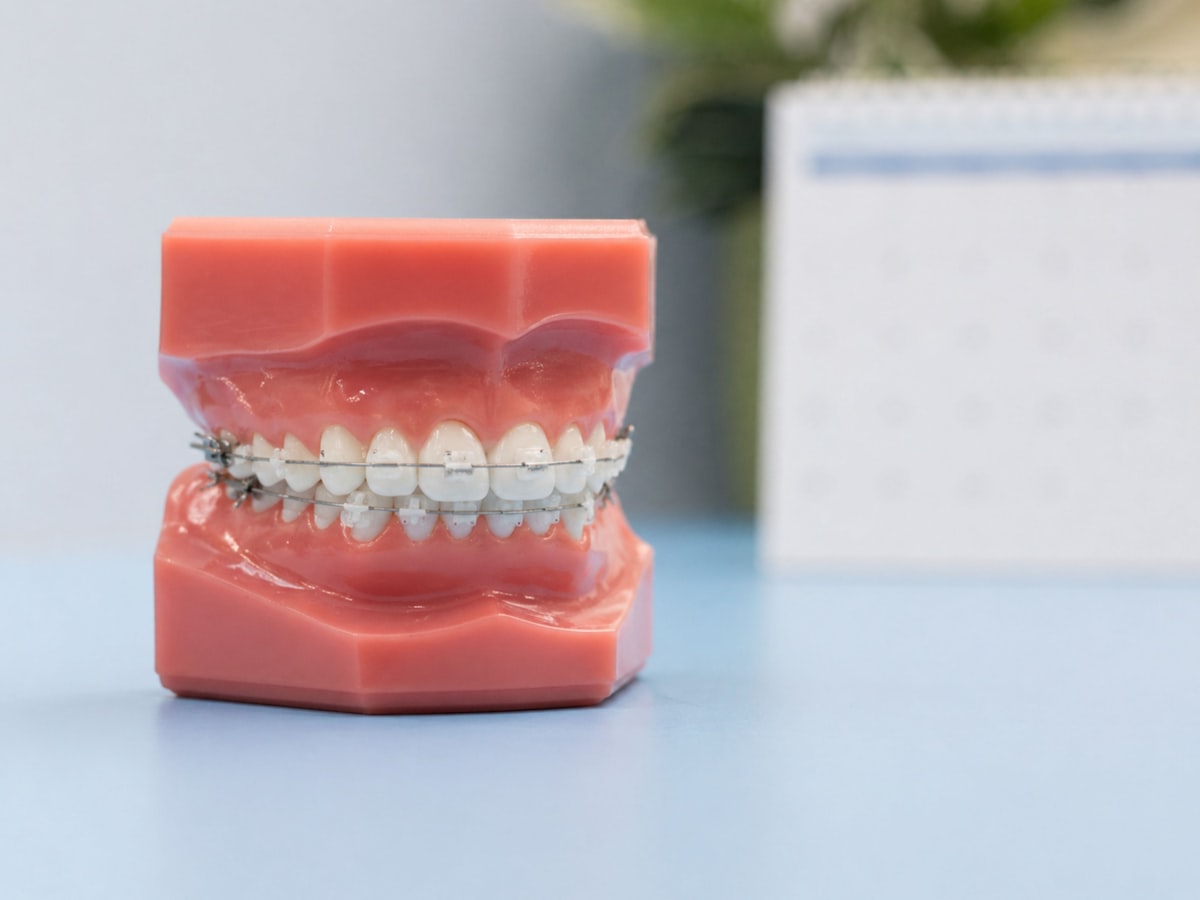
General dentistry moved past pure repair work a long time ago. At our Santa Clarita office, led by Dr. David Zaghi, DDS, patients also come in for teeth whitening, veneers, Invisalign, and dental implants. Cosmetic treatments follow the same rule as everything else here: an exam first, since candidacy depends on the health of your teeth and gums, then a plan matched to what you actually want.
Frequently Asked Questions About General Dentistry in Santa Clarita
What’s the difference between a general dentist and a specialist?
A general dentist is your first stop for nearly everything: prevention, repairs, and many cosmetic treatments. Specialists such as orthodontists, endodontists, and oral surgeons handle the complex cases a general dentist refers out.
Do general dentists perform root canals?
Many general dentists do. Especially complicated cases, like unusual root anatomy, may be referred to an endodontist. Your exam determines the right path.
Does dental insurance cover these procedures?
Coverage varies a lot by plan and procedure. The team can help you review your benefits, and our insurance and payment page explains the basics.
Can I get whitening or Invisalign at a general dentist?
Often, yes. Both are listed among the services at Smyle Dental Newhall. An exam comes first, since results and candidacy vary by patient.
What should I bring to a first appointment?
A photo ID, any insurance details, and a list of medications you take. If you have records or X-rays from a previous dentist, those help too.
Ready to See a General Dentist in Santa Clarita?
Whether you’re due for a cleaning or a tooth has been complaining for weeks, the team at Smyle Dental Newhall can help you sort out what’s needed and what can wait. Call (661) 255-9200 or send us a message to set up a visit at 23754 Newhall Ave.