Table of Contents
- How Long Does a Root Canal Take?
- How Many Visits Does a Root Canal Usually Need?
- Want a Time Estimate for Your Tooth?
- How Long Does a Root Canal Take on a Molar?
- What Happens During a Root Canal Appointment?
- How Long Does a Root Canal and Crown Take?
- Can I Go to Work After a Root Canal?
- Driving, Healing and One More Thing Bakersfield Patients Ask
You’ve been told a tooth needs a root canal, and the first practical question is how much of your day it will take. Do you book an hour, a whole morning, or more than one trip? If you’re asking how long a root canal will take in Bakersfield, there’s published guidance from dental and medical authorities to go on.
Smyle Dental goes through what those sources say about time in the chair, the number of visits, and the crown that often follows. This is general information, not a diagnosis. Ask your dentist whether any of it applies to you.
The short answer: a root canal visit often lasts about 60 to 90 minutes, treatment usually takes one or two visits, and molars can take longer than front teeth because they have more canals. A crown, when a tooth needs one, is usually a separate step with one or two more visits. Most people go back to work or school the same day, and an exam with an X-ray is what gives you a real estimate for your own tooth.
How Long Does a Root Canal Take?

A root canal visit often lasts about 60 to 90 minutes. Cleveland Clinic gives about 60 to 90 minutes for most root canals, and the American Association of Endodontists puts each appointment at roughly 90 minutes. The NHS in the UK gives a wider range of 1 to 2 hours, sometimes longer. Ask your dentist what to expect.
Those figures are ranges for a reason. The American Association of Endodontists says the number of appointments depends on the condition of the tooth and on your own circumstances, and the same is true of the minutes.
At Smyle Dental Bakersfield, the page on root canal treatment in Bakersfield says appointments are booked longer than standard so nothing has to be rushed. That page also answers whether a root canal is as painful as people say.
If a throbbing tooth is what brought you here, our post on why a toothache throbs harder at night explains what’s going on inside the tooth.
How Many Visits Does a Root Canal Usually Need?
Root canal treatment usually takes one or two visits. The American Dental Association’s MouthHealthy site says 1 or 2 office visits, and the American Association of Endodontists says most root canals can be done in one to two appointments. Complex or heavily infected teeth may need more than one. Ask your dentist which applies to you.
Guidance in the UK reads a little differently. The NHS says treatment usually takes 2 or more appointments, so the visit count you see online can depend on which country’s advice you’re reading.
When there are two visits, the endodontists’ association describes the first as removing the infected pulp and the next as cleaning and filling the tooth. A temporary filling may sit in the tooth between appointments, according to the NHS, and MouthHealthy notes that a germ-killing medicine may be used inside the tooth.
An infection is often why a second visit comes up. Our post on why antibiotics won’t cure a tooth infection explains why the source inside the tooth still has to be treated.
Want a Time Estimate for Your Tooth?
General ranges only go so far. An exam and an X-ray give your dentist a clear view of the tooth and the bone around it, and a real estimate starts there. Call Smyle Dental Bakersfield at (661) 324-1000 or request a visit at the office on E Street to talk through your options and how long to plan for.
How Long Does a Root Canal Take on a Molar?
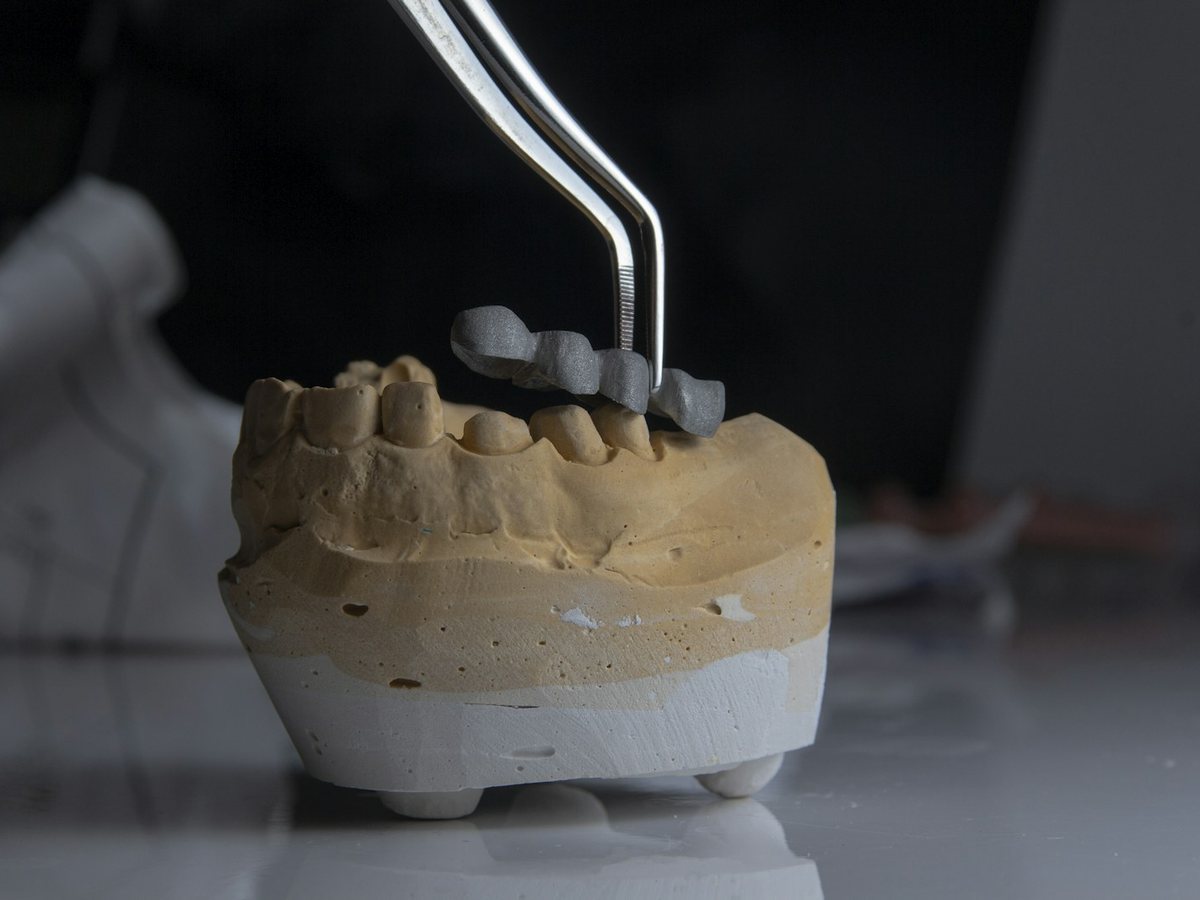
A molar root canal can take longer than one on a front tooth. The American Association of Endodontists notes that front teeth typically have a single canal, while molars have multiple canals and are harder to reach, which can add time. None of the dental authorities cited here gives set minutes per tooth, so ask your dentist.
Some websites publish exact minutes for each kind of tooth. The authority pages behind this post don’t, so the table below sticks to what they do say.
| Tooth | Canals | What that can mean for time | Crown afterward |
|---|---|---|---|
| Front teeth (incisors and canines) | Typically a single canal | Often easier to treat | Not always needed |
| Molars | Multiple canals, harder to reach | Can take more time | Generally needed |
Tooth type is only part of it. The same association says teeth with curved, narrow or multiple canals, and cases with severe infection, may need more advanced techniques and additional time.
What Happens During a Root Canal Appointment?
The visit usually starts with an X-ray and a local anesthetic to numb the tooth. A thin protective sheet keeps the tooth clean and dry. The dentist then makes an opening in the top of the tooth, cleans and shapes the canals, fills them with a rubber-like material and often places a temporary filling.
MouthHealthy and the American Association of Endodontists describe the same order of steps:
- X-rays give a clear view of the tooth and the bone around it.
- The area is numbed, and a thin sheet called a dental dam is placed over the tooth.
- An opening is made in the top of the tooth, and the canals are cleaned and shaped.
- The canals are filled with a rubber-like material to seal them.
- A temporary filling usually closes the opening until the tooth is restored.
You’re usually awake the whole time, since the work is done under local anesthetic. If numbing has been a problem for you before, our post on why some people are hard to get numb at the dentist covers what can be done differently.
Sedation is a separate question. The endodontists’ association says it varies from office to office, so ask what’s offered when you book. If nerves are the bigger worry, our post on overcoming dental anxiety may help.
How Long Does a Root Canal and Crown Take?
The crown is usually a separate step after the root canal. Cleveland Clinic says a crown usually means two more appointments: the first prepares the tooth and the second fits the crown. Back teeth generally need crowns, while front teeth don’t always, according to the American Association of Endodontists. Ask your dentist whether your tooth needs one.
MouthHealthy describes the follow-up visit as the point where the temporary filling comes out and a regular filling or a crown goes on to protect the tooth. So some teeth need one more visit, and others need two.
Until that final restoration is in place, the treated tooth needs some care. The American Association of Endodontists, Cleveland Clinic and MedlinePlus all advise against chewing or biting on the tooth until it has been restored.
Can I Go to Work After a Root Canal?

Most people can return to work or school the same day, according to the American Association of Endodontists and MedlinePlus. Your mouth may stay numb for a few hours, and the association advises against eating until the numbness is gone. Soft foods are often suggested at first, and chewing on the treated tooth usually waits until it’s restored.
Some soreness afterward is common. Pain that gets worse or throbs after treatment is a reason to call your dentist, according to Cleveland Clinic and the endodontists’ association.
For the signs that mean the emergency room instead, see our post on when to go to the ER for a toothache in Bakersfield.
Driving, Healing and One More Thing Bakersfield Patients Ask
Can you drive yourself home? With local anesthetic alone, the American Association of Endodontists says patients can usually drive as they normally would right after the procedure. Medication to help you relax can leave you drowsy, so ask your dentist before you plan the ride.
How long does a root canal take to heal? Sources differ: the endodontists’ association says symptoms improve within three to five days in the majority of cases, Cleveland Clinic says recovery takes less than a week for most people, and the NHS says soreness should get better in a couple of weeks. A few days is typical for many people, and it can run longer.
Is a root canal a big surgery? The American Association of Endodontists describes modern root canal treatment as very similar to a routine filling. How it goes for you depends on the tooth, which is one more reason to ask your dentist what to expect.