Search the 3 types of dental implants and you’ll see the same three names everywhere: endosteal, subperiosteal, and zygomatic. What most pages skip is that one of those three covers nearly every implant placed in Bakersfield, and the other two exist for specific problems most patients don’t have.
Smyle Dental explains what each type is, when it’s used, where mini implants fit in, and how a dentist decides which one suits your jaw.
Quick Summary
- Endosteal implants are titanium posts placed into the jawbone. They’re the standard type and what most patients receive.
- Subperiosteal implants sit on top of the bone under the gum. Once used for severe bone loss, they’re now rare because grafting usually gives a better result.
- Zygomatic implants anchor into the cheekbone for upper jaws with too little bone. They’re a specialist procedure.
- Mini implants are a narrower endosteal post for tight spaces or thin bone, not a fourth category.
- Which type you’d need is decided by a 3D scan of bone height and width, not by preference.
Type 1: Endosteal Implants
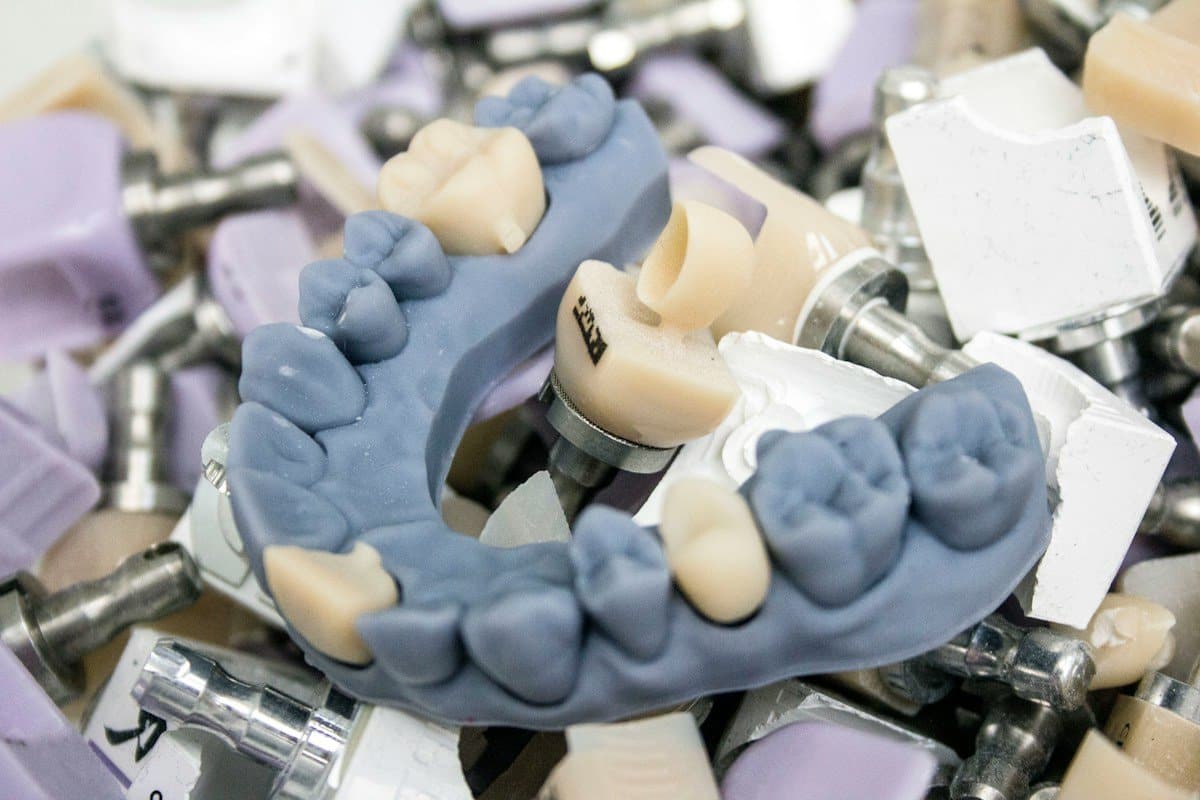
An endosteal implant is what most people picture: a titanium post shaped like a screw, placed into the jawbone where a tooth root used to be. Over a few months the bone grows onto the post, a process called osseointegration, and the post becomes a stable anchor. An abutment connects to it, and a crown, bridge, or full-arch restoration attaches on top.
This is the type Smyle Dental Bakersfield places, for single teeth, several teeth, or a full arch. Each case is planned with 3D imaging that maps bone, nerves, and sinuses before surgery, so the size and position of each post are worked out in advance. The requirement is enough healthy bone to hold it. Where there isn’t, grafting can often build the site up first. Our dental implants in Bakersfield page describes how that assessment works.
Type 2: Subperiosteal Implants
A subperiosteal implant doesn’t go into the bone. It’s a custom metal frame that rests on top of the jawbone, under the gum, with posts that poke through to hold the teeth. It was developed for patients who had lost too much bone for a standard implant, at a time when bone grafting was less predictable.
Today it’s uncommon. Grafting techniques have improved, and a grafted site with an endosteal implant generally gives a stronger, more predictable result. Subperiosteal frames also don’t stimulate the bone the way a post inside it does. You’ll still see them mentioned online, but few Bakersfield patients would be offered one.
Type 3: Zygomatic Implants
Zygomatic implants are much longer posts that bypass a thin upper jaw entirely and anchor in the zygoma, the cheekbone. They’re used for upper arches where bone loss is severe and grafting isn’t practical, often to support a full set of upper teeth.
This is specialist work, typically done by an oral surgeon with specific training, and it involves more complex planning and surgery than a standard implant. If a scan showed that route was the only option, a general practice would refer you rather than attempt it. Most patients with upper jaw bone loss never get that far, because grafting or a different implant layout solves it first.
Where Mini Implants Fit
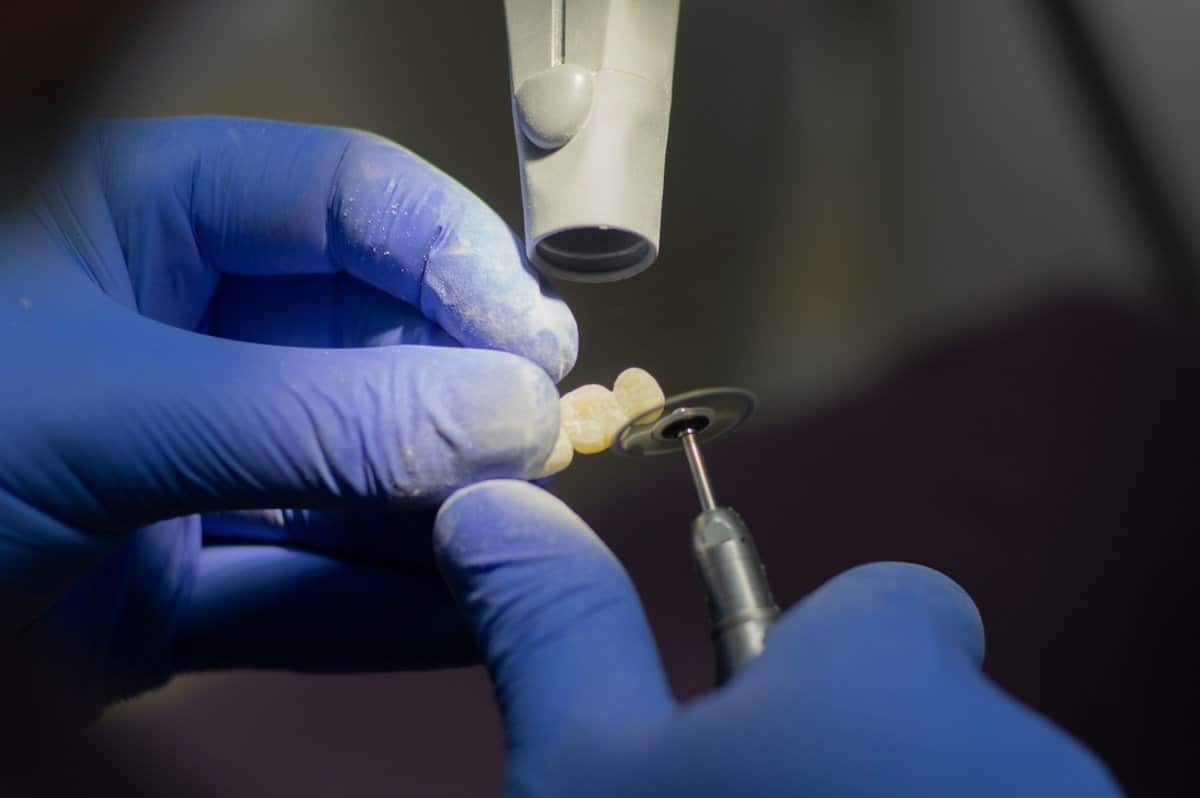
Mini implants often get called a fourth type, but they’re really a narrower version of an endosteal implant. Standard posts are several millimeters across. Minis are thinner, which lets them fit narrow gaps between teeth or jaws with reduced bone width, and they’re often used to stabilize a loose lower denture. Smyle Dental Bakersfield offers them where a standard post won’t fit. The trade-off is that a narrower post carries less load, so they’re chosen for the right situations rather than as a shortcut.
How the Type Gets Decided
It comes down to bone. A 3D scan shows how tall and how wide the bone is at each site, where the nerve runs in the lower jaw, and where the sinus sits in the upper. From that, the dentist can say whether a standard endosteal implant will hold, whether a mini implant suits the space, whether grafting is needed first, or whether the case belongs with a specialist. Candidacy depends on that scan and on your general health, which is reviewed at the same visit.
If cost is part of the decision, our post on what sets the cost of dental implants in Bakersfield explains how the type, the prep work, and the restoration each affect the quote.
More from the Smyle Dental blog:
- Is Cosmetic Dentistry Covered by Insurance in Bakersfield?
- the dental technology used in the practice
- Bakersfield dental insurance coverage, decoded
Frequently Asked Questions About Implant Types
Which type of dental implant is most common?
Endosteal implants, the titanium posts placed directly into the jawbone. They’re the standard choice when there’s enough healthy bone and the type most patients in Bakersfield receive.
Are subperiosteal implants still used?
Rarely. They were an option before bone grafting became routine. Today most cases with bone loss are treated with grafting and endosteal implants, or with zygomatic implants by a specialist.
What is a zygomatic implant?
A longer implant anchored in the cheekbone rather than the upper jaw, used when the upper jawbone is too thin to hold a standard post. It’s a specialist procedure.
Are mini implants one of the three types?
No. Mini implants are a narrower version of an endosteal implant, used where space or bone width is limited or to stabilize a lower denture.
Does the type of implant affect how long it lasts?
The post itself is designed as a long-term fixture in all types. Longevity depends more on bone health, hygiene, and whether the case was planned well than on the category.
How do I know which type I’d need?
A 3D scan of your jaw. It shows bone height and width, which decides whether a standard endosteal implant, a mini implant, grafting first, or a referral is the right route.
Find Out Which Type Fits Your Jaw
Knowing the 3 types of dental implants is useful. Knowing which one your bone can hold is what matters. Call Smyle Dental Bakersfield at (661) 493-9040 or request a visit and ask for an implant consultation with a 3D scan. You’ll see your own bone on screen, the type that fits it, and the plan and price in writing before deciding anything.