Here’s the answer nobody enjoys hearing: most of the time, no. Insurance plans usually treat cosmetic dentistry as elective, which means whitening for a brighter smile or veneers chosen purely for looks tend to come out of your own pocket. So is cosmetic dentistry covered by insurance in Bakersfield, ever? Actually, yes, more often than people expect, because the line between cosmetic and necessary is blurrier than the plans make it sound.
The team at Smyle Dental deals with this question weekly, so this guide explains where that line usually falls, and how to find out what your own plan really says before you commit to anything. This is general information, not a diagnosis. Ask your dentist whether any of it applies to you.
Quick Summary
- Purely cosmetic treatments (whitening, veneers chosen for appearance) are usually excluded from dental insurance.
- Treatments that restore function often get partial coverage even when they also improve looks: crowns after damage, implants replacing lost teeth, some orthodontics.
- The deciding question insurers ask: is there a health or function reason for this treatment?
- A predetermination (a pre-treatment estimate sent to your insurer) tells you what they’d pay before you commit.
- Every plan differs. Verify benefits first, and ask the office to help you check.
The General Rule: Function Gets Covered, Looks Usually Don’t
Insurance exists, in the insurer’s view, to keep your mouth working: chewing, speaking, staying free of infection. Treatments that serve those jobs sit inside coverage. Treatments whose only job is appearance sit outside it. That’s the whole logic, and once you know it, most coverage decisions stop being surprising.
The interesting part is that many treatments do both jobs at once, and that’s where patients leave money on the table by assuming “cosmetic” means “not covered.”
The label on the office doesn’t change this either, as our post on the difference between a regular dentist and a cosmetic dentist explains.
Treatments That Sit in the Gray Zone
Crowns. A crown placed on a cracked or heavily decayed tooth is restorative, even though it also looks better than what it replaced. Plans often cover a portion.
Implants. Replacing a missing tooth restores chewing and protects the bite, so implants are usually classified as restorative. Coverage still varies widely by plan and by component.
Orthodontics. Braces or Invisalign that correct a bite problem may have partial benefits on some plans, while alignment done purely for appearance may not.
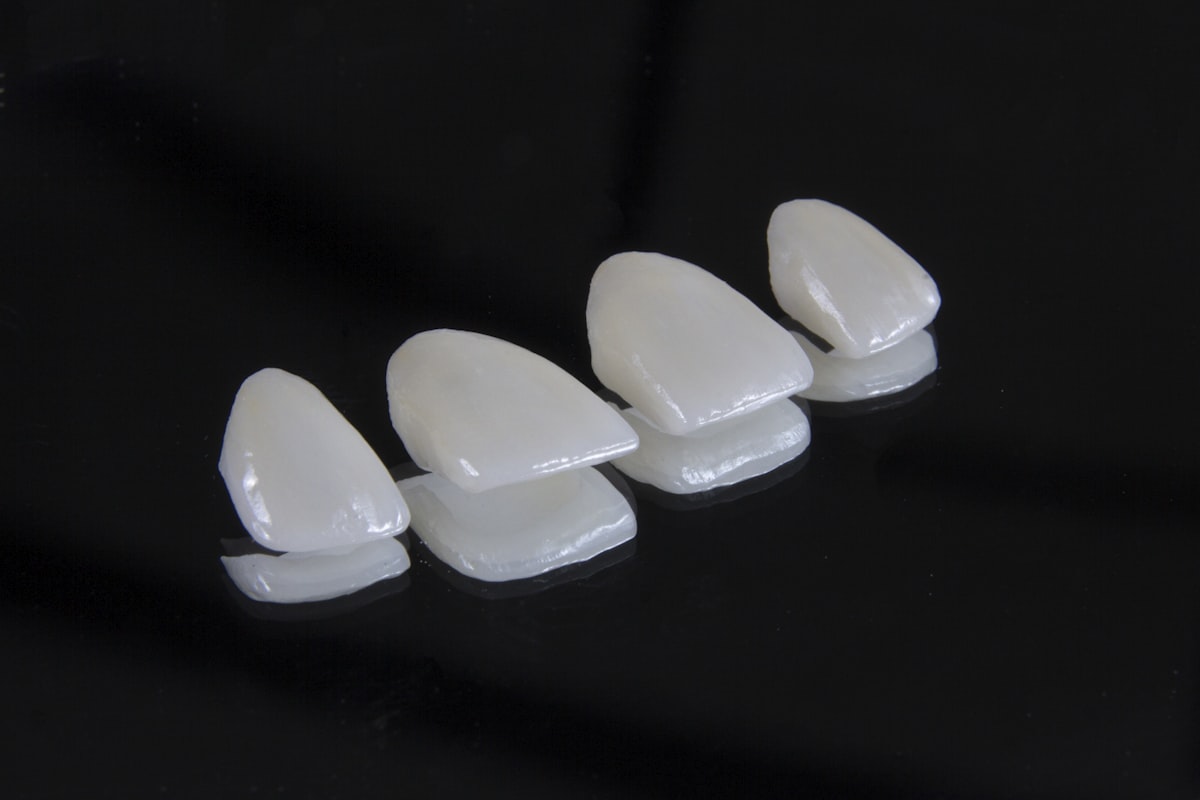
Veneers. Chosen for color or shape alone, they’re cosmetic. After trauma or damage, part of the treatment may be classified differently. This is exactly the case where you check rather than assume.
Whitening. The clearest case: almost always cosmetic, almost never covered.
Veneers are a good example; our post on what happens to veneers after ten years covers what replacement involves down the line.
How to Find Out What Your Plan Actually Says
Three steps beat guessing. First, read your plan’s exclusions section; cosmetic exclusions are usually spelled out. Second, ask the dental office to submit a predetermination, a pre-treatment estimate your insurer prices out in writing before you commit to anything. Third, ask the insurer directly whether the specific procedure code is covered when there’s a functional reason attached.
Our post on Bakersfield dental insurance coverage decodes the fine print in more detail, and it pairs well with this one if you’re planning treatment this year.
Paying for Cosmetic Work When Insurance Says No

A “no” from insurance doesn’t have to end the conversation. Some patients phase treatment over time, handle the function-first fixes that coverage helps with, then add the cosmetic finish. Others use payment arrangements through the office. The right order depends on your exam, since healthy teeth and gums come before any cosmetic work anyway. You can see what’s possible on our cosmetic dentistry in Bakersfield page, and the insurance and payment page explains how the office handles both topics.
For a sense of what one common treatment involves, see our post on what sets the price of a full set of teeth whitening.
Frequently Asked Questions About Cosmetic Coverage
Is teeth whitening ever covered by insurance?
Rarely. Whitening is the textbook example of a cosmetic-only treatment, so plan on it being out of pocket.
Are veneers covered if my tooth is damaged?
Sometimes partially, when repairing the damage is functional rather than purely cosmetic. A predetermination gives you the real answer for your plan.
Does insurance cover braces or Invisalign for adults?
Some plans include orthodontic benefits with limits, and many don’t cover adult orthodontics at all. Check your specific plan before starting.
What is a predetermination?
A pre-treatment estimate the dental office submits to your insurer, which comes back showing what the plan would pay. It’s the closest thing to certainty before treatment starts.
Do implants count as cosmetic?
Usually not. Replacing a missing tooth is generally classified as restorative, though how much a plan pays varies by component and by plan.
Want a Straight Answer About Your Plan?
Wondering whether cosmetic dentistry is covered by insurance in Bakersfield for your specific situation? Bring your plan details to an exam, and the team can help you sort covered from cosmetic before anything gets scheduled. Call Smyle Dental at (661) 493-9040 or request a visit.