Ten years is the number most people hear when they get veneers, so it’s natural to wonder what happens when you reach it. Do they fall off? Do they need replacing on a schedule? Do your own teeth underneath suffer? The honest answer is that a decade is a check-in point rather than an expiry date, and what you find there depends on the material, how they were placed, and how you’ve treated them.
This guide from Smyle Dental walks through what to expect after 10 years of having veneers in Bakersfield, the signs that one needs attention, and what replacement involves.
Quick Summary
- Porcelain veneers are commonly quoted as lasting 10 to 15 years with good care, and many go longer. Composite veneers usually have a shorter life.
- At the 10-year mark, most well-placed porcelain veneers are still in place and still look good. The changes that do appear are usually at the edges: gum recession, a visible margin, or wear from grinding.
- Signs a veneer needs attention: a dark line at the gum, a chip or crack, looseness, new sensitivity, or staining at the edge.
- Veneers can’t be whitened, so a shade mismatch with aging natural teeth is common by year ten.
- Replacement is routine: the old veneer comes off, the tooth is checked, and a new one is made. It happens when an exam says so, not on a calendar.
How Long Veneers Really Last
Porcelain veneers are commonly quoted as lasting 10 to 15 years with proper care, and long-term follow-up studies have found the large majority still in place well past the 10-year point when bonded to healthy enamel. Composite veneers, which are sculpted directly onto the tooth, tend to wear and stain sooner and are often refreshed earlier.
Three things stretch that lifespan more than anything else: good daily hygiene, a night guard if you grind, and regular check-ups where the edges get looked at under magnification. Three things shorten it: using front teeth as tools, untreated grinding, and gum disease around the margins.
What Actually Changes by Year Ten
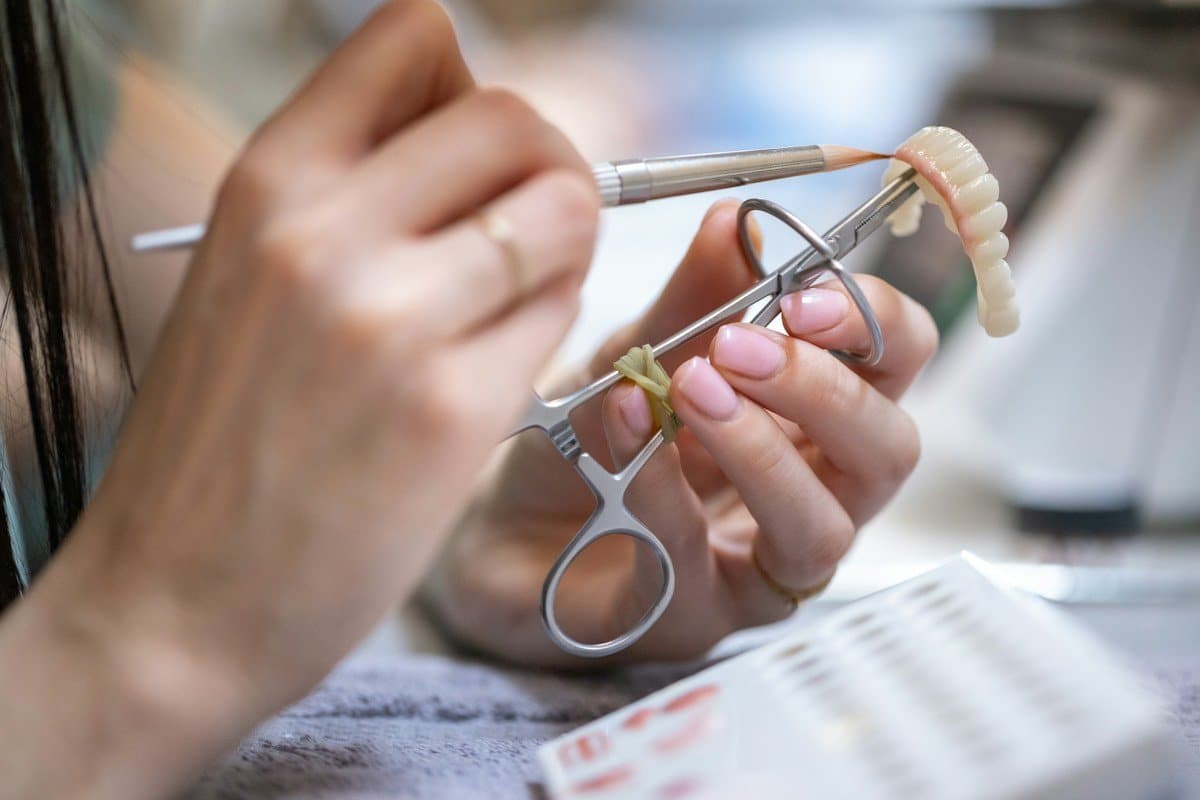
The porcelain itself is stable. It doesn’t yellow, and it resists staining better than natural enamel. What changes is everything around it.
Your gums. Gum lines recede slightly with age. When they do, the thin junction where the veneer meets the tooth can become visible as a faint line, especially on darker teeth.
Your natural teeth. Enamel around and behind the veneer keeps aging and can darken. Veneers don’t respond to whitening, so the shade match that was perfect at placement can drift.
Your bite. Years of chewing, and grinding if you do it, can create tiny chips at the edges or small wear facets on the porcelain.
The bond. Modern bonding is strong, but a veneer that was placed over a large filling or thin enamel has less to hold onto and is more likely to loosen over time.
All of that is why a ten-year veneer is due a proper look, even when it still feels fine.
Signs a Veneer Needs Attention

Book an exam rather than waiting for the next routine visit if you notice a dark line or shadow at the gum edge, a chip, crack, or rough edge you can feel with your tongue, a veneer that moves or clicks, new sensitivity to cold on that tooth, staining at the margin that doesn’t polish off, or gum that looks red or recedes faster on that tooth than on its neighbors.
Some of these are cosmetic and can wait. A loose veneer or a dark line can also mean decay is starting underneath, which is a health problem, and that’s why they’re worth checking promptly.
What Replacement Involves
Replacing a veneer is a familiar procedure. The old veneer is removed, the tooth underneath is examined for decay or wear and treated if needed, a new impression or scan is taken, and a new veneer is made and bonded, usually over two visits with a temporary in between.
Two things matter more the second time around. First, how much enamel was removed originally. Smyle Dental Bakersfield works to a minimal-prep approach precisely so there’s healthy tooth left to work with a decade later, which is explained on our veneers in Bakersfield page. Second, shade. Because natural teeth darken and porcelain doesn’t, many patients whiten their natural teeth first and then match the new veneers to that result.
If you’re weighing veneers for the first time, our post on minimal-prep veneers in Bakersfield covers why the amount of enamel kept matters so much.
Keeping Veneers Going Past Ten Years
The routine is unglamorous. Brush twice a day with a non-abrasive paste, floss carefully at the margins, wear a night guard if you grind, keep up regular cleanings, and don’t bite into ice, pens, or packaging with your front teeth. Ask for the veneer edges to be checked at each visit. Done consistently, that’s what stretches a ten-year veneer well beyond ten years.
Frequently Asked Questions About Older Veneers
Do veneers have to be replaced after 10 years?
No. Replacement happens when an exam finds a problem, not on a schedule. Many porcelain veneers are still in good condition well past ten years.
Can I whiten my veneers when they look dull?
No. Whitening gel doesn’t change porcelain. Dullness usually comes from surface deposits, which a professional polish can remove, or from the natural teeth around them changing shade.
Will my teeth be damaged when old veneers come off?
The original enamel removal can’t be reversed, but removal of the old veneer is done carefully to preserve what’s left. The tooth is checked and treated before a new veneer goes on.
What if only one veneer is chipped?
A single veneer can be replaced on its own. Matching it to the others is the skilled part, which is why shade is taken against your existing veneers in daylight.
Do composite veneers last as long as porcelain?
Generally, no. Composite tends to stain and wear sooner and is often refreshed or replaced earlier, though it’s easier and cheaper to repair.
How do I know if mine are still in good shape?
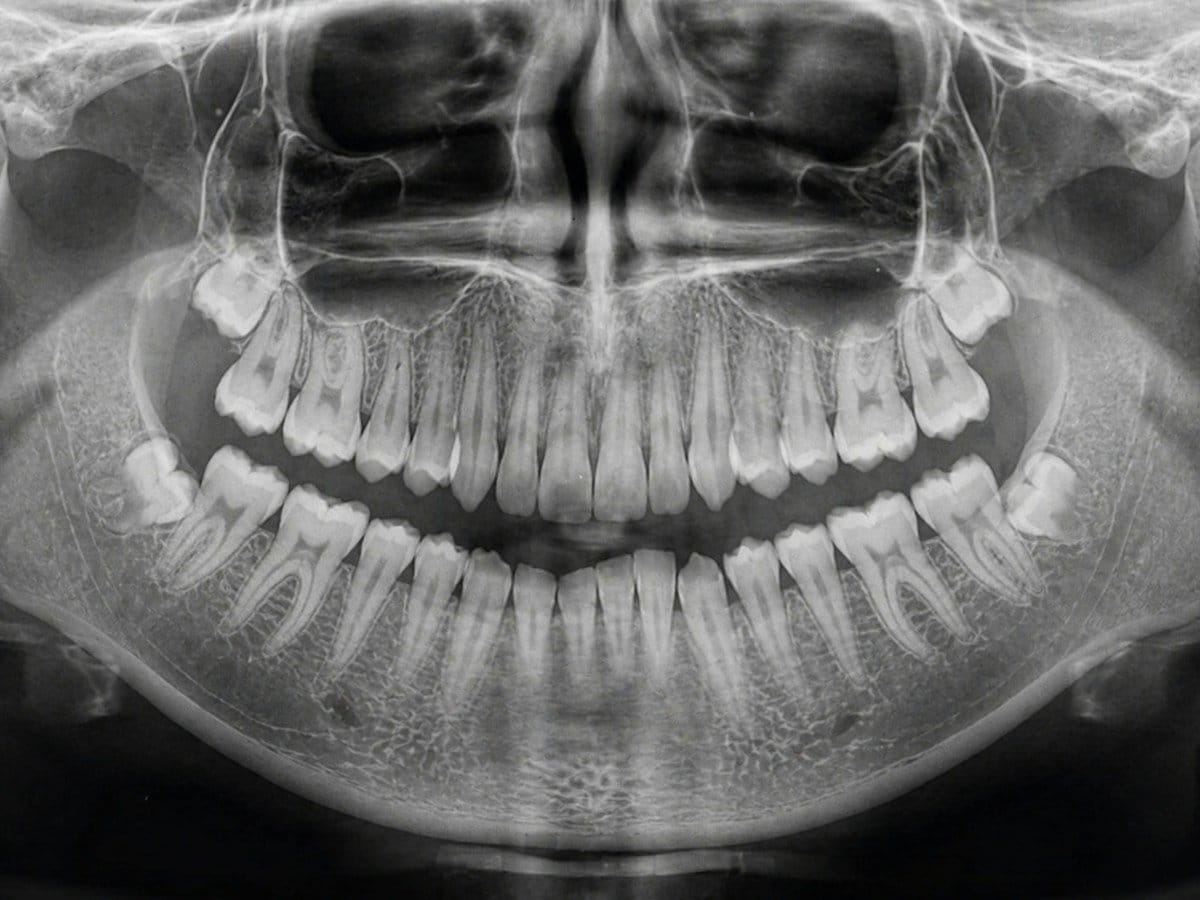
An exam. The edges, the bond, and the tooth underneath can be checked in a routine visit, and X-rays show what’s under the porcelain.
Ten Years In? Get Them Checked
Veneers that have served you for a decade deserve a proper look rather than a guess. Call Smyle Dental Bakersfield at (661) 493-9040 or request a visit and ask for a veneer check. You’ll find out what’s still sound, what’s wearing, and what your options are, in writing, before anything is decided.