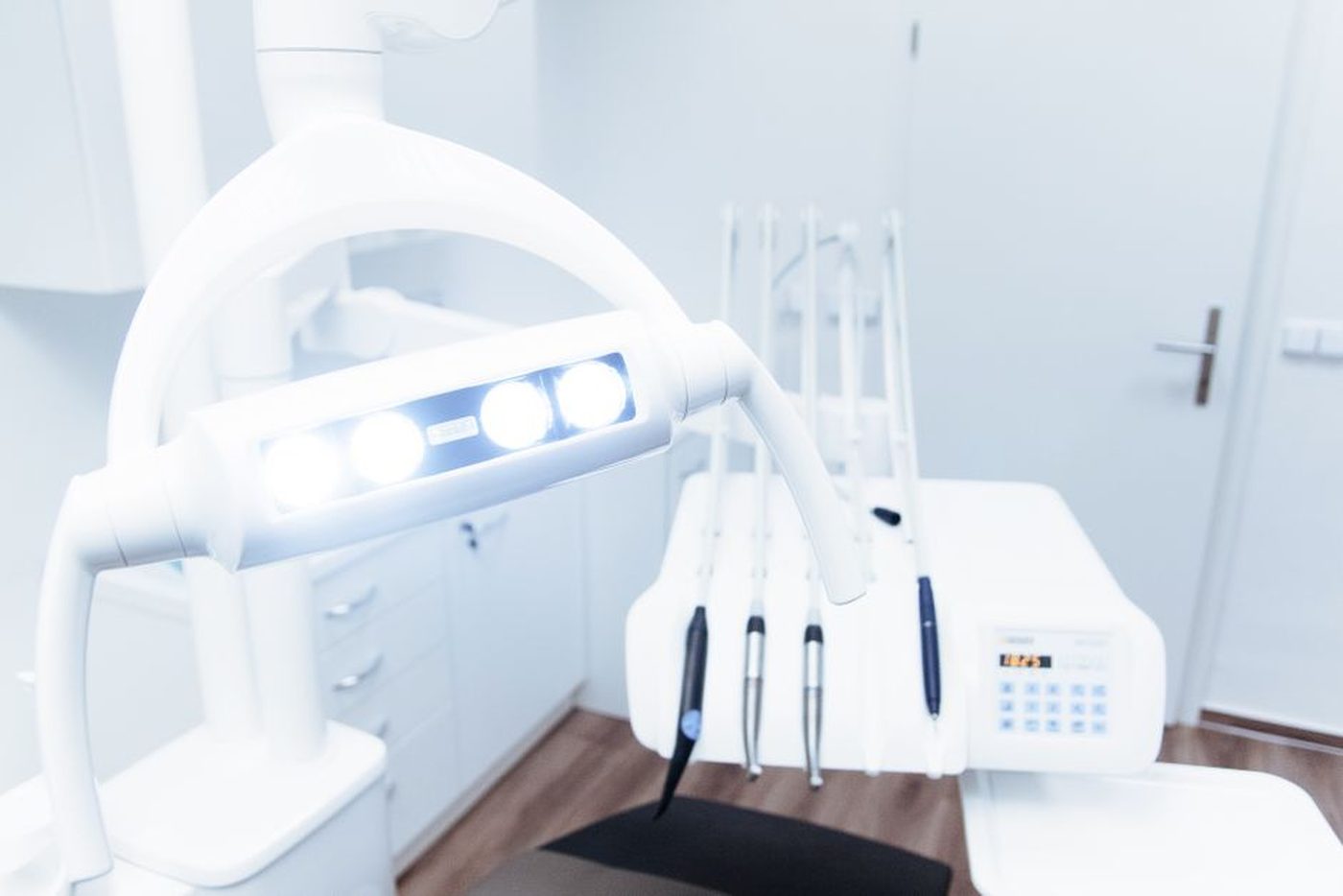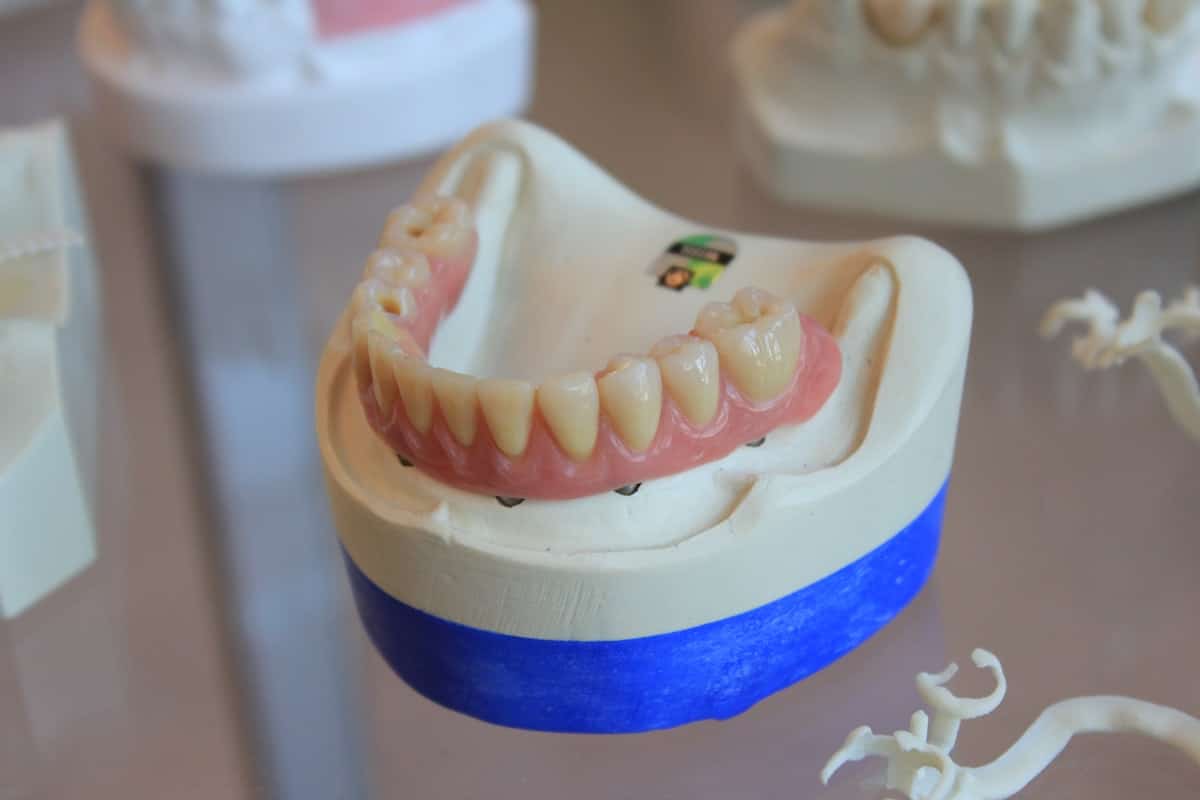
Dentures have changed more in the past decade than in the fifty years before it. If your mental picture involves a glass of water on a nightstand, the current generation will surprise you. So what is the newest type of dentures in Santa Clarita and beyond? The short answer: digitally designed dentures made by 3D printers and milling machines, and implant-supported dentures that snap or fix into place instead of floating on the gums.
Smyle Dental put together this guide to the newest options, what makes each one different, and how to figure out which direction fits your mouth. This is general information, not a diagnosis. Ask your dentist whether any of it applies to you.
Quick Summary
- The newest wave is digital: dentures designed from scans and produced by 3D printing or milling, with fewer appointments and a digital record for easier replacements.
- The biggest comfort leap is implant support: snap-in overdentures and fixed implant dentures that hold firm for eating and speaking.
- Flexible resin partials offer a lighter, metal-free option for some patients missing a few teeth.
- No single option is best for everyone; bone condition, how many teeth are missing, and your priorities decide it.
- An exam is where the right answer comes from, and candidacy for implant-supported options depends on your jawbone.
Digital Dentures: Designed on a Screen, Built by a Machine
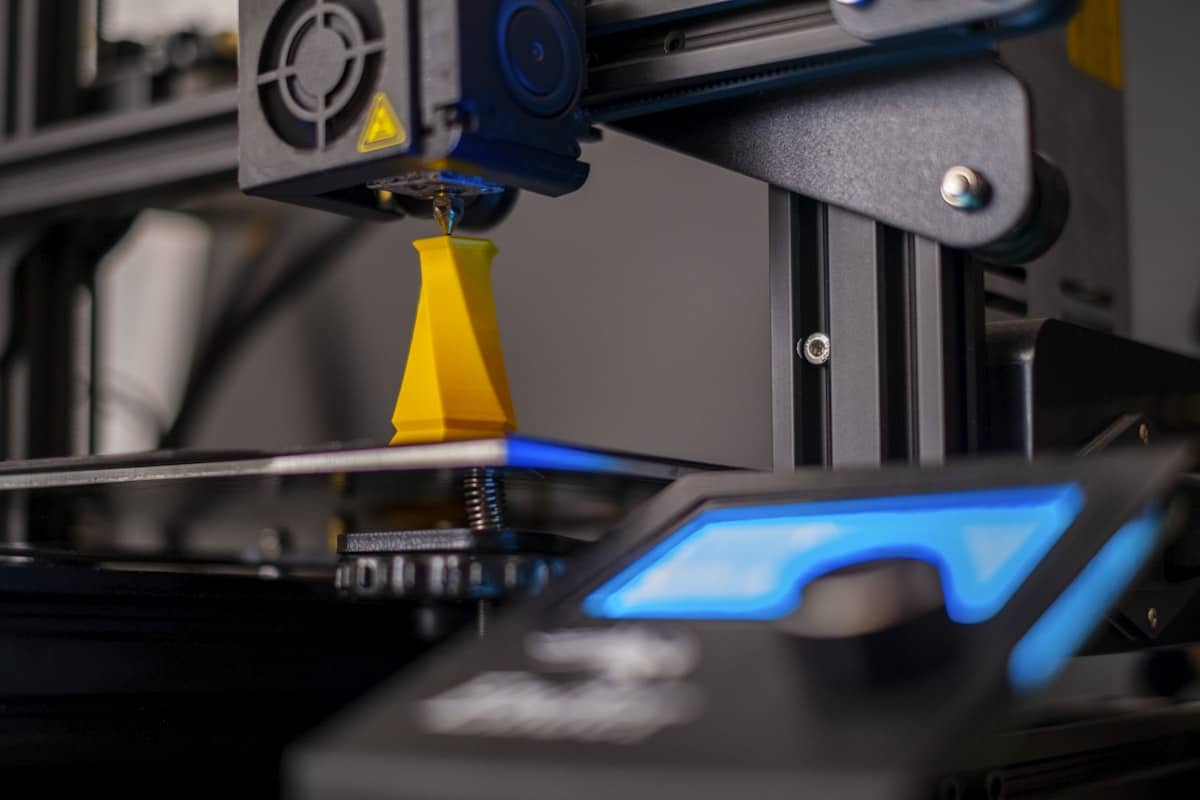
Traditional dentures involve goopy impressions, wax try-ins, and a lab process spread over many visits. The digital workflow replaces much of that: a scan captures your mouth, software designs the denture, and a 3D printer or milling machine produces it with a precision that hand workflows have a hard time matching. Patients often need fewer appointments from start to finish.
The quiet superpower is the digital record. Because your denture exists as a file, a lost or broken denture can be reproduced without starting the whole process over, and future adjustments begin from a known baseline. Materials have moved fast here too, with newer resins built for strength and a more natural look in one piece.
Implant-Supported and Snap-In Dentures: The Stability Upgrade
The complaint that has followed dentures forever is movement: slipping while talking, caution while eating. Implant support answers it. A small number of implants placed in the jaw act as anchors, and the denture either snaps onto attachments (a removable overdenture) or fixes in place so it stays in full time.
Many patients describe the difference as night and day for chewing confidence, though results vary with each person’s bone and bite. Since the anchors are dental implants, candidacy depends on jawbone condition, which is evaluated with imaging at an exam. Smyle Dental places dental implants, the foundation this option is built on, and our team can tell you whether your bone supports it.
If you go this route, our post on what not to do after a tooth implant covers the recovery rules.
Flexible Partials and Better Materials
For people missing a few teeth rather than a full arch, flexible resin partial dentures skip the metal clasps of older designs. They’re lighter, they flex with the mouth, and they tend to disappear visually better than their predecessors. They’re not right for every case, and your dentist will weigh them against a bridge or an implant depending on the teeth involved.
If cost is the barrier, our post on the income rules for dental benefits explains how Medi-Cal dental eligibility works.
Which Option Fits You?
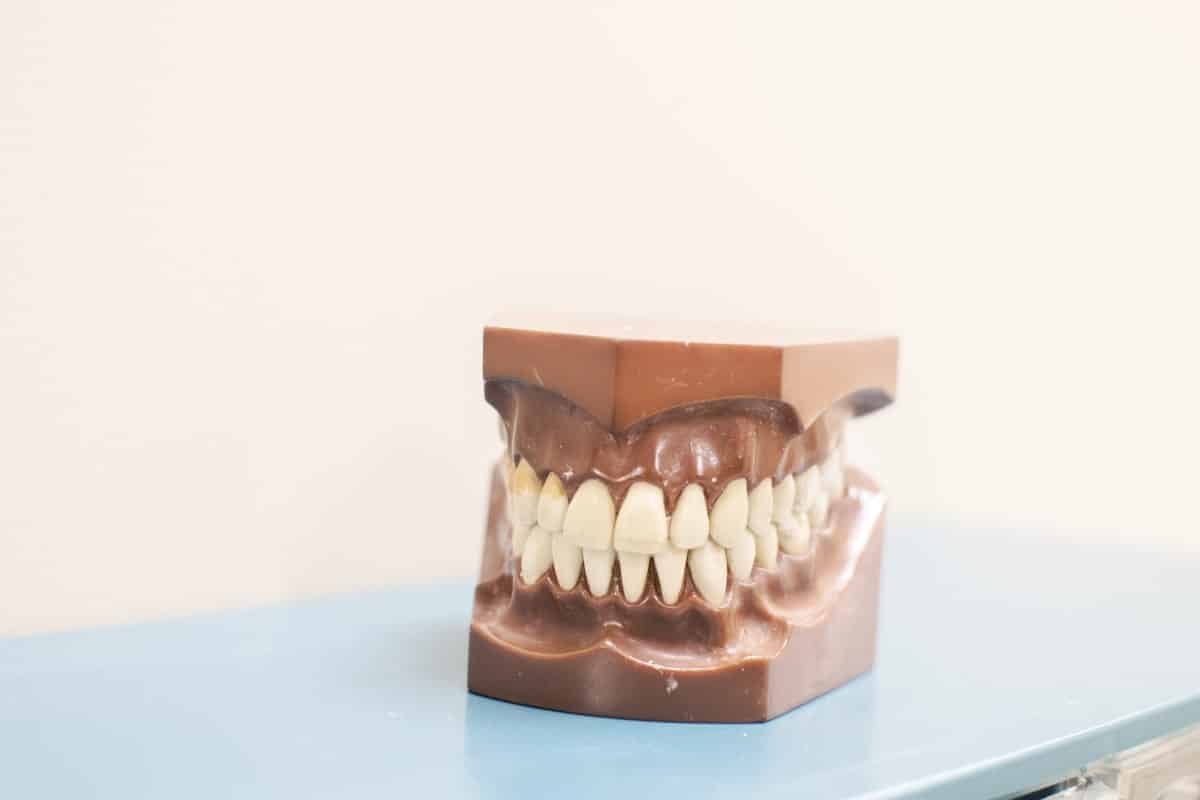
The honest answer comes from three questions. How many teeth are missing? What condition is your jawbone in? And what matters most to you: stability, simplicity, or budget flexibility? A full-arch patient with healthy bone has different best options than someone missing three teeth, and only an exam sorts that out.
Tooth replacement is one part of the broader care a general dentist coordinates; our guide to the most common procedures done by a general dentist in Santa Clarita shows how it all connects. And if you want to talk options in person, our Santa Clarita office on Newhall Avenue is the place to start.
If you’re weighing removing the remaining teeth first, our post on whether you can have all your teeth pulled and get dentures explains what a dentist considers before agreeing.
Frequently Asked Questions About the Newest Dentures
Are 3D-printed dentures better than traditional ones?
They’re different rather than automatically better. Digital dentures tend to win on fit precision, turnaround, and easy reproduction; the right choice still depends on your case and the materials involved.
What’s the difference between snap-in and fixed implant dentures?
Snap-in overdentures click onto implant attachments and come out for cleaning. Fixed implant dentures stay in place full time and are cleaned like natural teeth. Both rely on implants for stability.
How long do modern dentures last?
It varies with materials, care, and how your mouth changes over time. Relines and adjustments are a normal part of ownership, whichever type you choose.
Can I switch from regular dentures to implant-supported ones?
Often, yes. It depends on your jawbone, which is checked with imaging. Some patients need grafting first, while others can proceed directly.
Do new dentures hurt at first?
An adjustment period is common with any denture, and modern digital fits aim to reduce sore spots. Individual experiences vary, and follow-up adjustments are part of getting it right.
Curious What Modern Tooth Replacement Looks Like for You?
If you’ve been searching for the newest type of dentures in Santa Clarita, the real question is which modern option your mouth supports. Call Smyle Dental Newhall at (661) 255-9200 or send us a message, and we’ll take a look and walk you through where today’s options fit your situation.