It’s the question veneer patients ask quietly at check-ups: can the tooth underneath still rot, and if so, how long can it go on before anyone notices? The honest answer for Bakersfield patients is yes, teeth can decay under veneers, and the timeline is uncomfortable to hear. It ranges from months to years, and the process is usually silent until it isn’t.
This guide from Smyle Dental explains how decay reaches a veneered tooth, why it stays hidden, what to watch for, and how to keep the tooth under your veneer healthy for the long run.
Quick Summary
- A veneer covers only the front of the tooth. The back, the sides, and the gum edge are natural tooth and can decay like any other.
- Decay under a veneer almost always starts at the margin, the thin line where porcelain meets tooth, and works inward.
- How long it takes to become serious varies from months to years. Hygiene, diet, dry mouth, and how well the edges seal all change the pace.
- It often causes no pain early on, which is why decay under veneers is usually found on an X-ray or during an exam, not by the patient.
- Signs that shouldn’t wait: a dark line or shadow at the gum edge, new sensitivity, a rough or catching edge, or a veneer that feels loose.
How Decay Reaches a Tooth Under a Veneer
Porcelain doesn’t decay. The tooth it’s bonded to does. A veneer is a thin shell on the front surface, so the enamel behind it, between the teeth, and along the gum line stays exposed to everything that causes cavities: plaque, sugar, acid, and time.
The weak point is the margin. When the veneer is placed, that edge is sealed to the tooth with bonding resin. If the seal breaks down, whether from years of wear, grinding, gum recession that exposes the edge, or a placement that wasn’t quite flush, bacteria find a path underneath. From there the decay spreads inward, under the porcelain, where nothing is visible from the front.
How Long Can It Go On?

There’s no honest single number. Decay is a slow process on healthy enamel, and it can take a year or more to move from a surface change to a real cavity. Under a veneer, two things change the pace. Plaque that collects at a margin doesn’t get brushed away as easily, so the acid attack is more constant. And there’s no visual warning, so nobody adjusts their habits.
In practice, decay under a veneer can sit unnoticed for months in someone who cleans well and has check-ups, and for years in someone who doesn’t. By the time it causes pain or a visible shadow, it has often reached dentin, the softer layer beneath enamel, where it moves faster and can eventually reach the nerve. That’s why the goal is to catch it before it hurts.
The Signs to Watch For
- A dark line or grey shadow at the gum edge of a veneered tooth. This is the most common early sign of decay or an open margin.
- New sensitivity to cold, sweet, or pressure on a tooth that used to be quiet.
- A rough edge you can feel with your tongue where the veneer meets the tooth.
- Bad taste or odor that seems to come from one spot, which can mean bacteria trapped under an edge.
- A veneer that moves, clicks, or lifts even slightly. A loosening bond often means the tooth underneath has changed.
Any of these is worth an exam sooner than your next routine visit. Our veneers in Bakersfield page explains how Smyle Dental Bakersfield assesses veneered teeth, including what’s checked at the margins.
What Happens If Decay Is Found

It depends on where it is and how far it has gone. A small cavity at the edge can sometimes be cleaned out and repaired with tooth-colored filling material, leaving the veneer in place. Decay that has spread under the porcelain usually means the veneer comes off, the tooth is treated, and a new veneer is made once the tooth is sound. If decay has reached the nerve, a root canal may be needed before anything cosmetic is rebuilt.
None of that is a reason to avoid veneers. It’s a reason to treat them as what they are: a restoration on a living tooth that still needs care. Our post on what happens after 10 years of having veneers covers what else changes around porcelain over time.
Keeping the Tooth Under Your Veneer Healthy
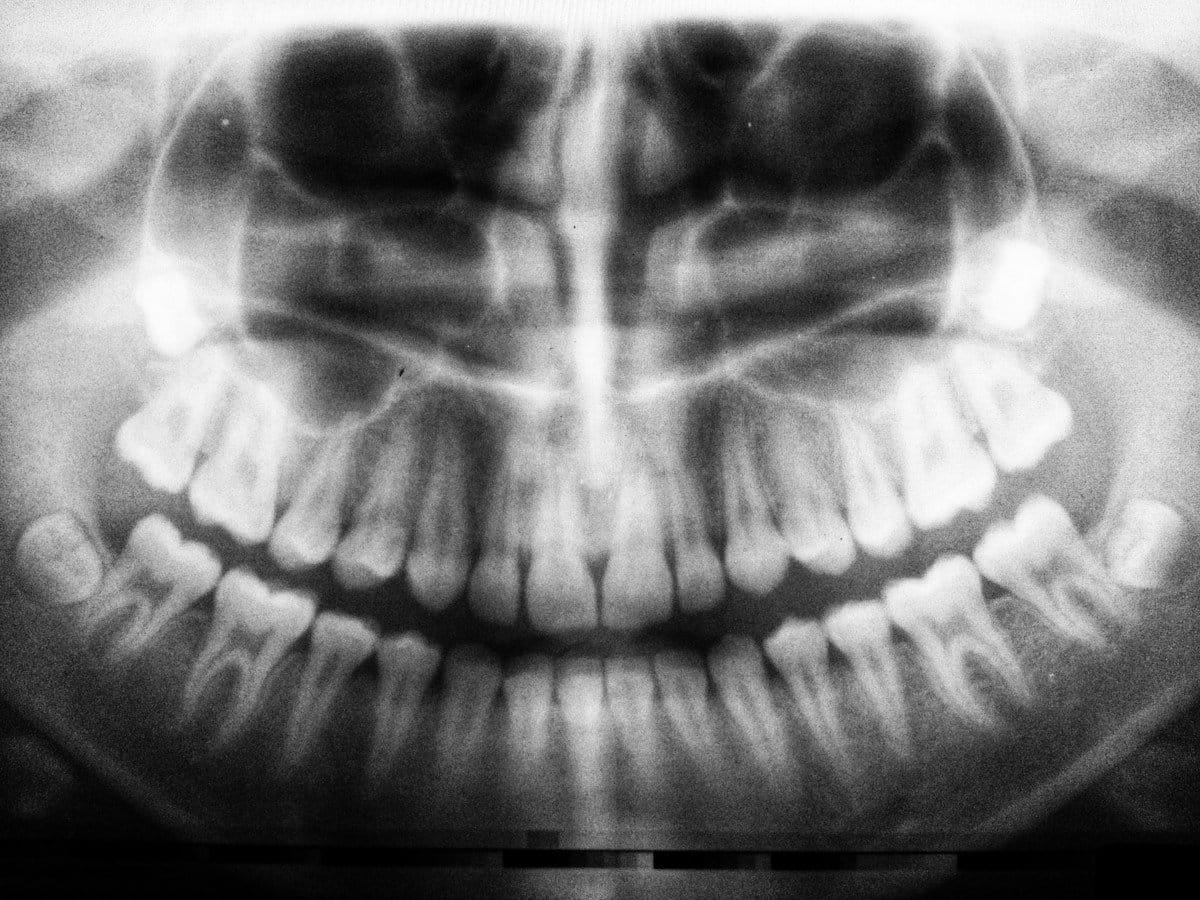
The routine is the same one that protects any tooth, aimed at the edges. Brush twice a day with a soft brush and non-abrasive paste, paying attention to the gum line. Floss daily, sliding rather than snapping the floss past the veneer edge. Cut down on sipping sugary or acidic drinks through the day, which bathe the margins in acid. Wear a night guard if you grind, since grinding stresses the bond. And keep regular check-ups, because X-rays and a close look at the margins are how decay under a veneer gets caught early.
Frequently Asked Questions About Decay Under Veneers
Can a tooth rot under a veneer even if it looks fine?
Yes. The veneer covers the front of the tooth, so decay starting at the edge or behind it can progress without any visible change on the surface. That’s why regular exams and X-rays matter.
How long does it take for decay to get serious under a veneer?
It varies from months to years depending on hygiene, diet, and how well the veneer edges seal. There’s no fixed timeline, and by the time it hurts it has often been there a while.
Will my veneer have to come off if there’s decay?
Often, yes, if the decay sits beneath it. The veneer is removed, the tooth is treated, and a new veneer is made. A small edge cavity can sometimes be repaired without full replacement.
Can I whiten around veneers to hide a dark line?
No. Whitening doesn’t change porcelain, and a dark line at the margin is usually decay or exposed tooth, which needs an exam rather than bleach.
Do veneers cause decay?
Not on their own. Decay comes from bacteria, sugar, and plaque reaching tooth surface. Veneers change where plaque collects, so cleaning at the edges becomes the habit that protects the tooth.
How often should veneered teeth be checked?
Regular check-ups on the schedule your dentist sets, usually with periodic X-rays, since decay under a veneer can’t always be seen by looking.
Not Sure What’s Under Your Veneers?
The answer to how long teeth can rot under veneers in Bakersfield is “longer than you’d think, and quietly.” Call Smyle Dental Bakersfield at (661) 493-9040 or request a visit and ask for a veneer check. An exam and X-rays show what’s happening at the edges, and you’ll get a plain answer before anything is decided.